Working Dogs in Pest Control
Sam Trickey, Trickey Pest Control
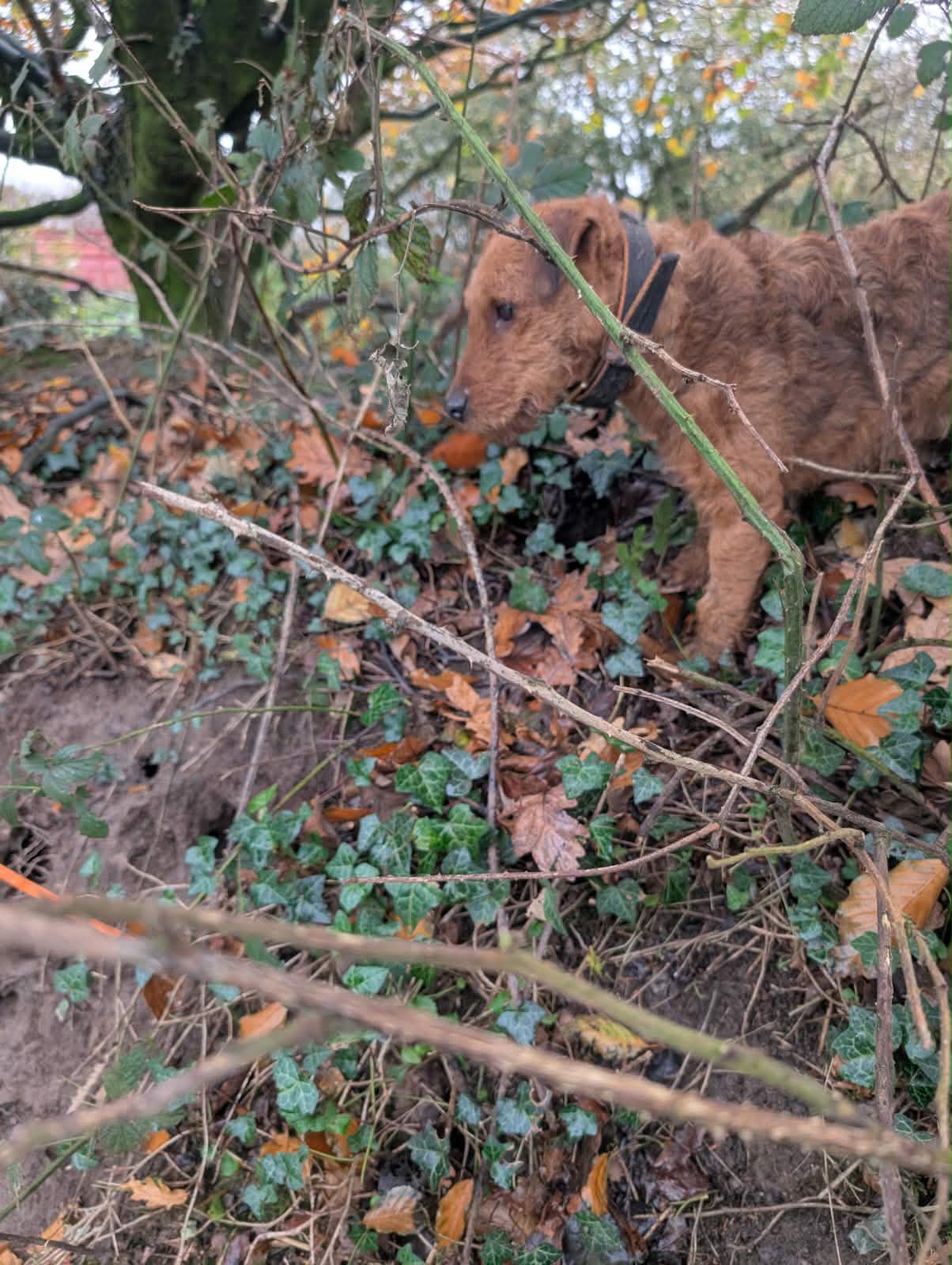
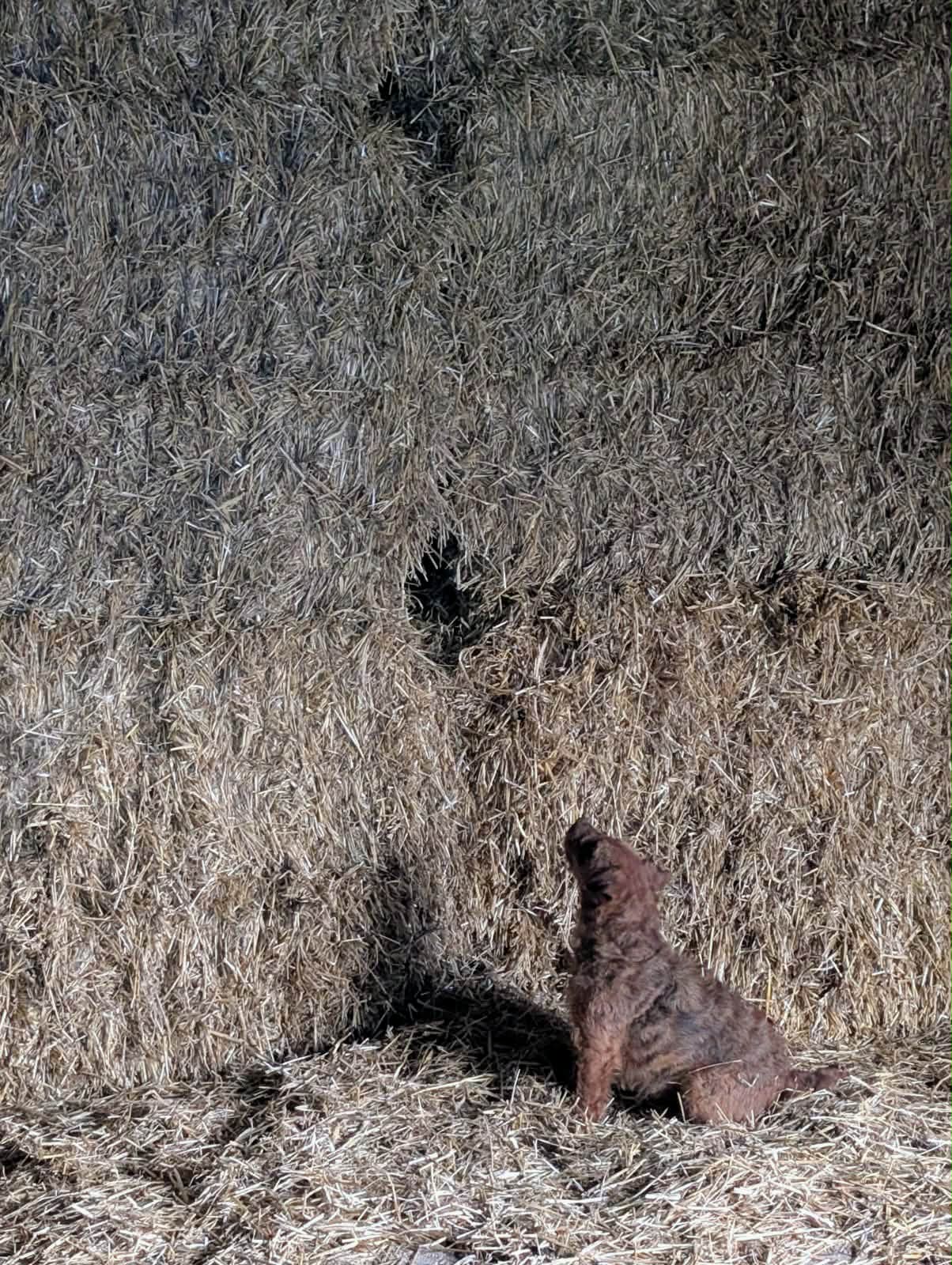
As I sit here with April’s warmth hitting the grass and my earth-torn hands glad to finish the most of the agricultural moles, I think to myself how the dogs have performed this year and how far they have come from the bundles of play that puppyhood is. Now, at the three-year mark, they are workers. It’s a wonderful thing to watch the transition and to see them enter a site and know their craft, their mannerisms and body language showing we are there for work. As an agriculture-based pest control company, we need them more than they know.
What is the best dog for rodent work?
Whatever dog is suited to the task that works for you is my conclusion. I’ve kept dogs since I was a lad, mostly terriers and gundogs, but as the years have gone on, I’ve wanted different things from the dogs in my kennels. Now I’m looking for an obedient, easy-natured dog that is not only easy to stock-break but will work with the ferrets and also get on with any other dog or humans we suddenly come across. A good noise for me is highly important for detection and also a quick strike on Norway rats with no fuss. Speed is also an important factor. What breed of dog gives me this now is not really important.
I have come to the conclusion that for what I need them for, two is about right, even for large rodent clearances. Two dogs working well together will clear large numbers of rats with little fuss. Are they the best dogs in the world? Far from it, but they help me make a crust day to day.
We use them while we are servicing contracts for instant dispatch of Norway rats and also to mark fresh activity. So, if needed, we can either work the dogs for dispatch or put other control in place. I’ve found their help no end, and it has not only saved me time but also money. We work them for clearances, and I’ve had a fair few places this year that we honestly could not have gained control without their skills. One recently was under slates on a beef-rearing unit. Norway rats were living on the slurry crust and feeders inside pens, making most other control difficult or impractical. The answer was to get the farmer to stir the crust and wait at the far wall with the A-team. Within 25 minutes, we had a large number on the floor, and we looked good that day with dogs working as a team.
Training is never-ending, and like us, they are always learning. The risk on farms is huge. As with all things, a good risk assessment with a focus on slurry pits is so important. Overall, I’m happy with my team of hooligans, and we will keep learning and improving, and hopefully, with every turn, we will ever be more efficient at the control of our most respected, clever, adaptable adversary: the Norway rat.
As the summer months are soon to be upon us with the promise of young ferrets in the Trickey garden and all that comes with spring, it reminds me that heat and work will soon be on my top list. Keeping the dogs comfortable and cool and keeping a careful eye on their welfare in hot conditions will be the next task.