LinkedInYouTube

Cockroaches – Identification and Control


Overview

Cockroaches are highly resilient pests that thrive in warm, humid, and poorly ventilated environments. Found in homes, restaurants, takeaways, warehouses, and commercial kitchens across the UK, they pose a serious public health risk. These nocturnal insects are known to spread harmful bacteria including Salmonella, E. coli, and other pathogens that can contaminate food and preparation surfaces.

In addition to health concerns, cockroach infestations can create unpleasant living and working conditions due to their musty odour and unsightly droppings. Cockroaches multiply quickly and are difficult to eradicate without targeted treatment, making early identification and control essential. They are particularly hard to manage in multi-unit dwellings or buildings with shared plumbing, where they can move between units undetected.

Professional pest control is often required to fully eliminate cockroach infestations and prevent their return, especially in commercial premises where hygiene is paramount.


How to Identify Cockroaches

Signs to Look For:

  • Small black droppings resembling ground pepper
  • An unpleasant, musty or oily odour
  • Shed skins or egg cases (oothecae) near harbourage areas
  • Live or dead cockroaches spotted at night or in hidden areas
Common Cockroach Species in the UK

Pest Info Sheets - Feature images-11

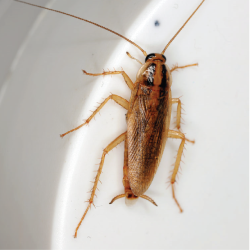
German Cockroach (Blattella germanica)

The most common indoor species, especially in kitchens, boiler rooms, and bathrooms. Prefers warmth and moisture. Known for fast breeding.

Pest Info Sheets - Feature images-10

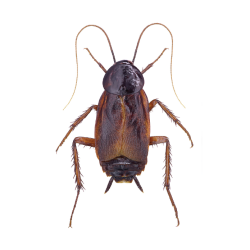
Oriental Cockroach (Blatta orientalis)

Larger and darker in colour, often found in damp, cooler environments such as basements, drains, and service ducts.

Risks and Impact

  • Contamination of food, utensils, and preparation surfaces
  • Carriers of harmful bacteria like Salmonella, E. coli, and Listeria
  • Trigger asthma, allergies, and respiratory issues
  • Damage to reputation for businesses, especially in hospitality or catering


Cockroach Behaviour

  • Nocturnal usually active at night when it’s dark and quiet
  • Prefer warm, humid, and dark hiding spots behind fridges, under sinks, inside appliances
  • Can go without food for up to a month but need water
  • Female cockroaches lay dozens of eggs at a time, leading to rapid population growth

Frequently Asked Questions

1. What do cockroach droppings look like?

They resemble small black pepper-like specks or smears, often found along baseboards, cupboard corners, or behind appliances.

2. Are cockroaches dangerous?

Yes. They can spread bacteria that cause food poisoning and other illnesses. Their shed skins and droppings can also trigger asthma and allergies.

3. How do cockroaches get into my home or business?

They enter through drains, vents, cracks in walls, gaps under doors, or via delivery packaging, second-hand appliances, or luggage.

4. Can I get rid of cockroaches myself?

Over-the-counter sprays and traps may reduce activity, but complete removal is difficult without professional help due to hidden nests and egg cases.

5. Why do I see cockroaches at night?

Cockroaches are nocturnal and avoid light. Seeing them during the day often indicates a large infestation.

6. How fast do cockroaches reproduce?

Very quickly. A single female German cockroach can produce up to 400 offspring in her lifetime.

When To Call A Professional

  • You spot multiple cockroaches or signs of an infestation
  • DIY methods fail to control the problem
  • The infestation is in a food premises, hospital, or rental property
  • You’re dealing with a recurring infestation or one involving Oriental cockroaches in drains

Professional pest control technicians can identify harbourage sites, apply targeted treatments, and help prevent reinfestation—protecting both health and reputation.