LinkedInYouTube

Flies – Identification and Control


Overview

Flies are one of the most common insect pests in the UK and are far more than just a nuisance. These fast-breeding insects can carry a range of harmful bacteria, including Salmonella and E. coli, and contaminate food preparation areas, work surfaces, and waste zones. Infestations often occur in homes, restaurants, commercial kitchens, and waste storage areas, especially during warmer months.

The presence of flies, (particularly in large numbers) can also create a negative impression for businesses, affecting hygiene ratings and customer trust. Since flies breed rapidly in decaying organic matter, prompt action is essential to prevent small problems from becoming serious infestations.

Early identification and targeted treatments are the most effective way to control fly populations and stop their spread.


How to Identify a Fly Infestation

Signs to Look For:

  • Multiple flies gathering on windows, lights, ceilings, or bin areas
  • Maggots (fly larvae) found in waste bins, compost, or drains
  • Persistent buzzing sounds, particularly in quiet rooms
  • Small dark spots (fly droppings) on walls, ceilings, or light fittings
  • Dead flies around windows or in roof spaces
Common Fly Types in the UK

Pest Info Sheets - Feature images-03

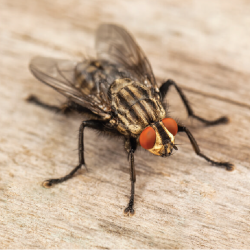
House Fly (Musca domestica)

Most commonly found indoors, especially near food waste, bins, and compost. Breeds in decaying organic matter.

Pest Info Sheets - Feature images-05

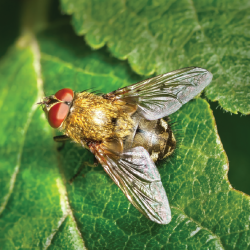
Cluster Fly (Pollenia rudis)

Often seen in large groups in lofts and around window frames, especially in autumn as they seek warm places to overwinter.

Pest Info Sheets - Feature images-06

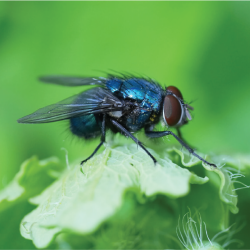
Bluebottle Fly (Calliphora vomitoria)

Larger, metallic blue in colour, and typically found near carcasses, rotting food, and external waste bins.

Risks and Impact

  • Spread of harmful bacteria through contact with surfaces, utensils, or uncovered food
  • Contamination in homes, kitchens, and food premises
  • Bad odours from dead flies or breeding sites
  • Negative public health impact, especially in food businesses or healthcare settings
  • Deterioration of reputation for businesses affected by fly infestations


Fly Behaviour

  • Flies are attracted to decaying organic matter, including food waste, animal carcasses, and faeces
  • They reproduce quickly; females lay hundreds of eggs that hatch into maggots within hours
  • Attracted to light and warmth, making windows and sunny spots common gathering areas
  • Capable of flying through small gaps, open doors, and unscreened windows


Control and Prevention

  • Maintain high standards of hygiene, clean up spills, food waste, and organic material promptly
  • Use lidded bins and empty them regularly
  • Install fly screens on windows and doors in kitchens and food prep areas
  • Clean drains, gullies, and bin areas where breeding may occur
  • Use electric fly killers or UV traps in commercial settings
  • Seal structural gaps and ensure vents are fitted with mesh

Frequently Asked Questions

1. Why do I suddenly have lots of flies in my house?

A sudden increase often points to a nearby breeding site such as a bin, drain, or dead animal. Cluster flies may gather in autumn to hibernate in lofts or behind walls.

2. Are flies dangerous?

Yes. They carry pathogens that can cause food poisoning and other illnesses. They contaminate food and surfaces just by landing on them.

3. How do I get rid of flies naturally?

Keep surfaces spotless, dispose of waste quickly, and use natural deterrents like vinegar or essential oils (e.g. eucalyptus or peppermint).

4. What attracts flies into my home?

Food waste, moisture, decaying matter, and even light sources can attract various fly species.

5. Can I treat a fly infestation myself?

Basic prevention and cleaning can help with minor issues, but if the source of infestation isn’t located, or numbers grow, professional help may be needed.

When To Call A Professional

  • Frequent or increasing fly activity in your home or business
  • Discovery of maggots or signs of breeding indoors
  • Fly presence in sensitive environments such as care homes, hospitals, or commercial kitchens
  • DIY methods have not resolved the issue

A professional pest controller can identify the source of the infestation, apply targeted treatments, and help you put long-term preventative measures in place.