LinkedInYouTube

Rats – Identification and Control


Overview

Rats are one of the most significant public health pests in the UK and can cause serious problems in homes, businesses and commercial environments.

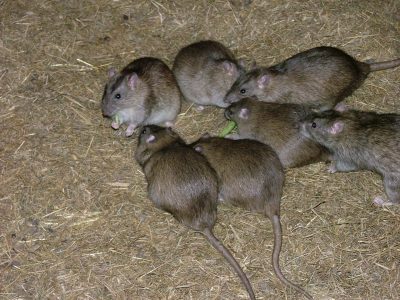
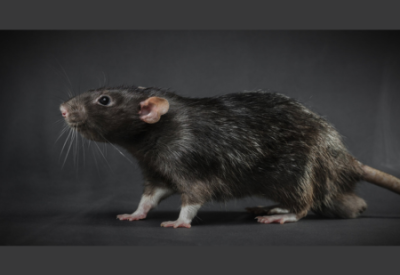
The brown rat (Rattus norvegicus), also known as the common or sewer rat, is the species most commonly encountered in the UK. Rats are highly adaptable and are often found in drains, lofts, gardens, wall cavities, compost areas and commercial premises.

Rats can spread disease, contaminate food and damage property through persistent gnawing. Because they breed quickly and often remain hidden, infestations can develop rapidly if not addressed early.

Professional pest control is often required to fully identify nesting locations, remove infestations and prevent recurrence.


How to Identify Rat Activity

Signs to Look For

  • Large, dark droppings around 1–2 cm long
  • Scratching or movement in walls, lofts or under floors
  • Gnaw marks on wood, pipes, cables or food containers
  • Strong musky odours in enclosed areas
  • Greasy smear marks along skirting boards or walls
  • Burrows in gardens, compost heaps or around drains


Where Rats Are Commonly Found

  • Drains and sewers
  • Lofts and wall cavities
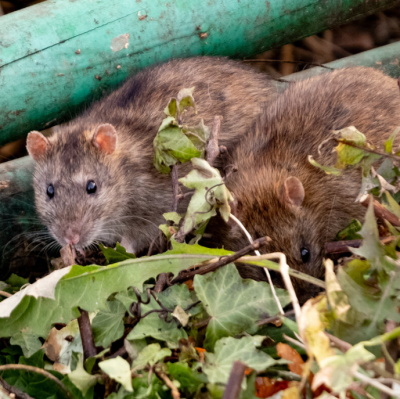
  • Compost heaps
  • Beneath decking or sheds
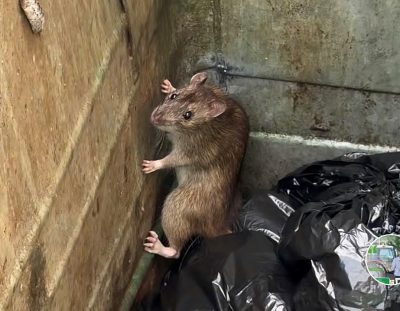
  • Commercial kitchens and waste areas
  • Food storage environments


Risks and Damage

Rats can create serious health and safety risks, including:

  • Disease transmission through urine and droppings
  • Food contamination
  • Fire risks caused by gnawed electrical cables
  • Damage to insulation, pipework and structures
  • Business reputation risks in commercial premises


Rat Behaviour

  • Mostly nocturnal
  • Excellent climbers and swimmers
  • Constantly gnaw to wear down teeth
  • Breed rapidly in warm environments
  • Can access buildings through surprisingly small gaps


Rat Prevention Tips

  • Keep bins sealed and away from buildings
  • Remove accessible food and water sources
  • Seal gaps around pipes, vents and drains
  • Maintain gardens and reduce overgrown vegetation
  • Store food in sealed containers
  • Address drain issues quickly

Frequently Asked Questions

1. How do I know if I have rats?

Common signs include droppings, scratching noises, gnaw marks, strong odours and visible burrows.

2. Are rats dangerous?

Yes. Rats can spread diseases, contaminate food and create fire hazards through cable damage.

3. Why do rats keep returning?

Rats will continue returning where food, water and shelter remain available. Effective proofing and prevention are essential.

4. Can I remove rats myself?

Small issues may sometimes be controlled with traps, but established infestations often require professional pest control support.

5. Where do rats nest?

Rats commonly nest in lofts, wall cavities, drains, gardens, compost areas and beneath structures.

When To Call A Professional

You should contact a professional pest controller if:

  • Rat activity is increasing
  • You hear movement in walls or ceilings
  • Droppings or gnaw damage are present
  • DIY attempts have failed
  • The infestation affects a food or commercial premises

Professional pest controllers can identify nesting locations, assess entry points and implement safe, effective control methods to remove infestations and prevent recurrence.