1. What does a wasp nest look like?
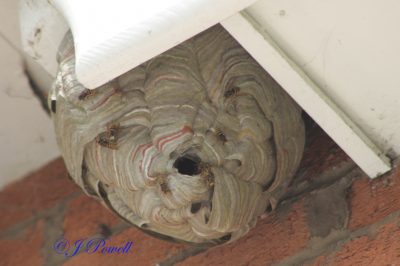
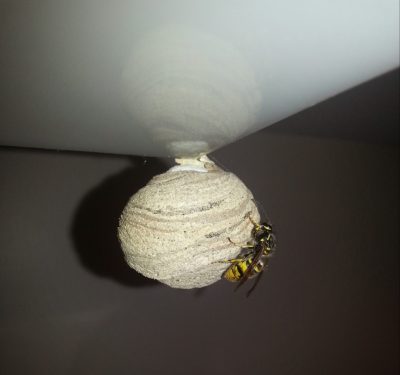
Wasp nests are papery in texture and usually greyish in colour. They can range from the size of a golf ball to a football, depending on the colony size.
2. Are wasps dangerous?
Yes. While a sting is usually painful but mild, some individuals can have severe allergic reactions that require immediate medical attention.
3. Can I remove a wasp nest myself?
It is not recommended. Disturbing a nest can lead to aggressive swarming. Always seek help from a trained professional.
4. Will wasps return next year?
Nests are not reused, but nearby queens may return to favourable locations. Preventative proofing helps reduce this risk.
5. What attracts wasps to my garden or home?
Sugary drinks, ripe fruit, uncovered bins, compost, and potential nesting sites in sheltered areas all attract wasps.
6. How do I know if I have a wasp nest?
Large numbers of wasps repeatedly entering and leaving the same location are often the clearest sign of an active nest.
7. Are wasp nests dangerous?
Wasps can become defensive if disturbed and may sting repeatedly. Risk levels increase around large nests and areas with high human activity.
8. Can I remove a wasp nest myself?
Disturbing a nest may increase the likelihood of stings. Professional advice is recommended where nests are active or difficult to access.
9. When are wasps most active?
Wasp activity typically peaks during July, August and September when nests reach their largest size.
10. Will a wasp nest be used again next year?
Most wasp nests are abandoned at the end of the season and are not normally reused.