LinkedInYouTube

Bees – Identification and Control


Overview

Bees are vital pollinators that play an essential role in maintaining biodiversity and supporting the production of fruits, vegetables, and flowers. In the UK, there are over 250 species of bees, including honeybees, bumblebees, and solitary bees. While bees are beneficial to the environment and usually non-aggressive, problems can arise when they nest too close to homes, schools, or areas of high public activity.

It’s important to approach bee-related concerns with caution and respect. Unlike wasps, bees are protected by conservation efforts, and in many cases, nests do not need to be removed. However, where bees pose a genuine risk to health, safety, or access, specialist advice should be sought.

Most bee issues can be resolved through monitoring, education, or safe relocation by experienced professionals.


How to Identify a Bee Problem

Signs to Look For:

  • Regular bee activity in and out of a small gap or wall cavity
  • A noticeable humming or buzzing sound inside a building
  • Discovery of a nest in a chimney, loft, shed, or compost heap
  • Swarms of bees temporarily gathering in a cluster on a tree, wall, or structure 
Common Bee Types in the UK

Pest Info Sheets - Feature images-17

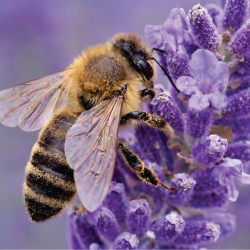
Honeybee (Apis mellifera)

Social bees that live in large colonies, often in managed hives but occasionally in chimneys or wall voids. Known for swarming in spring and early summer.

Pest Info Sheets - Feature images-15

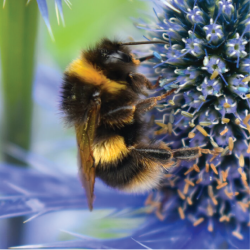
Bumblebee (Bombus spp.)

Larger, rounder bees with a fuzzy appearance. Generally non-aggressive and nest in small colonies in compost heaps, lofts, or under sheds.

Pest Info Sheets - Feature images-16

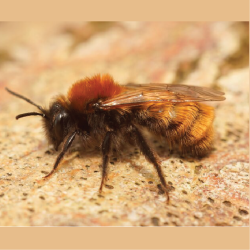
Solitary Bees (e.g. Mason, Mining, or Leafcutter Bees)

Do not form colonies. Often nest in sandy soil, wall cavities, or garden bee hotels. Harmless and highly beneficial for pollination.

Risks and Impact

  • Stings can occur if bees are provoked or if a nest is accidentally disturbed
  • Allergic reactions in sensitive individuals, including the risk of anaphylaxis
  • Disruption to building access, especially near doors, vents, or windows
  • Concerns for pets or children, particularly around ground-level nests or swarms


Bee Behaviour

  • Bees are active from spring to late summer, especially on warm, dry days
  • Swarming is a natural process of honeybee reproduction and is usually temporary
  • Bumblebee colonies are seasonal and typically die off by late summer
  • Solitary bees pose no threat and do not defend their nesting sites


Responsible Control and Prevention

  • Do not disturb bee nests, observe from a safe distance
  • Keep windows and doors closed if a nest is nearby
  • Avoid blocking nest entrances, as this may trap bees and cause aggression
  • Encourage bee-friendly spaces in the garden to promote pollination
  • Contact a bee specialist or ethical pest controller if relocation is necessary
  • Swarm collection services may be available locally through beekeeper associations

Frequently Asked Questions

1. Are bees protected in the UK?

Bees are not legally protected, but they are under active conservation due to population decline. Ethical pest controllers will avoid destroying nests where possible.

2. What should I do if I see a swarm of bees?

Remain calm and keep your distance. Swarms are temporary and usually non-aggressive. Contact a local beekeeper or swarm collector for safe relocation.

3. Can bee nests be removed?

Only if they pose a genuine risk. Removal or relocation should be done by professionals who understand bee behaviour and regulations.

4. Will bees return to the same spot next year?

Most species do not reuse nests, though honeybees may return to a favourable site. Preventative proofing can help discourage future nesting.

5. How are bees different from wasps?

Bees are generally hairier, less aggressive, and play a key role in pollination. Wasps can sting multiple times and are more likely to scavenge food.

When To Call A Professional

  • You suspect a nest inside a building structure
  • A bee swarm is causing concern in a public or residential area
  • Access to your home, school, or workplace is being obstructed
  • There is a risk to vulnerable people due to allergies or nearby activity

Always use an experienced and ethical pest controller or contact your local beekeeping association for advice on safe, humane bee management.