LinkedInYouTube

Birds – Identification and Control


Overview

Urban birds such as feral pigeons and gulls are a growing concern for property owners and businesses across the UK. While they may seem harmless at first glance, their presence can lead to significant property damage, health and safety risks, and public nuisance, particularly due to fouling, noise, and aggressive nesting behaviour. Bird droppings (guano) are not only unsightly but acidic enough to corrode masonry, metal, and vehicles. Accumulated nesting materials can also block gutters, damage roofs, and attract insects or mites.

Birds are well adapted to human environments, often returning to the same nesting sites year after year. Many species are protected under UK law, meaning bird control must be carried out using humane, non-lethal, and legally compliant methods. Attempting unauthorised control could result in fines or prosecution.

Professional bird management is the safest and most effective way to address infestations. By combining preventative measures with expert knowledge of legal compliance, pest control professionals can ensure effective results that safeguard both buildings and wildlife.


How to Identify Bird Problems

Signs to Look For:

  • Heavy bird fouling (droppings) on ledges, pavements, or vehicles
  • Nesting materials in gutters, roof spaces, or plant pots
  • Aggressive behaviour or noise especially during the nesting season
  • Feathers, debris, or blocked drainage systems
Common Urban Bird Species in the UK

Pest Info Sheets - Feature images-20

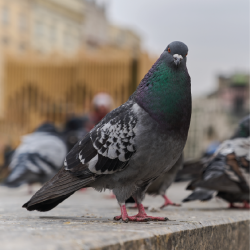
Feral Pigeon (Columba livia)

Common in cities and towns, nesting on building ledges, under bridges, and in derelict properties. Highly adaptable and breeds throughout the year.

Pest Info Sheets - Feature images-06

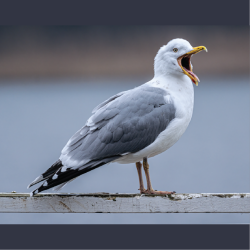
Gulls (e.g. Herring Gull)

Large, loud, and increasingly common inland. Gulls are known for their aggressive behaviour during the nesting season and are often found nesting on rooftops in coastal and urban areas.

Risks and Impact

  • Fouling damage: Bird droppings are acidic and cause corrosion on stonework, signage, and vehicles
  • Health risks: Bird guano may carry pathogens such as Salmonella, E. coli, and Cryptococcus
  • Noise and aggression: Nesting gulls can become extremely aggressive, especially when protecting young
  • Blocked drainage: Nests and debris can clog gutters, downpipes, and ventilation systems, leading to water damage


Bird Behaviour

  • Nesting sites are reused each year—often increasing the size and extent of the problem
  • Birds are highly adaptable, thriving in environments with easy access to food and shelter
  • Most birds, including pigeons and gulls, are protected under the Wildlife and Countryside Act 1981control must follow strict guidelines
  • Feeding birds, intentionally or unintentionally, encourages long-term occupation


Control and Prevention

  • Install bird-proofing measures such as spikes, nets, or post-and-wire systems to prevent roosting and nesting
  • Use specialist deterrents like laser systems, bird gel, acoustic repellents, and visual devices (e.g. reflective tape or bird-of-prey decoys)
  • Limit food access by securing bins, cleaning up waste, and discouraging public feeding
  • Regular maintenance of gutters and ledges to remove nesting debris and reduce attraction
  • Work with licensed professionals to ensure all bird management strategies are humane and legally compliant

Frequently Asked Questions

1. Are pigeons and gulls dangerous?

Yes. Their droppings can carry harmful bacteria, and their aggressive behaviour during nesting can pose a risk to people nearby.

2. Is it illegal to remove bird nests?

Yes, under the Wildlife and Countryside Act 1981, it is illegal to disturb or remove active bird nests without the proper licenses.

3. What is the best way to deter birds?

A combination of physical proofing (spikes, netting), removing food sources, and using specialist deterrents is most effective. Professional advice is recommended.

4. Can bird droppings damage buildings?

Yes. Guano is acidic and can corrode building materials, causing long-term structural damage if not cleaned regularly.

5. Why do birds keep coming back?

Birds often return to previous nesting sites, especially if food and shelter are available. Preventative proofing is key to long-term control.

6. Can I deal with bird problems myself?

DIY attempts are discouraged due to legal protections and safety risks. Bird control should be handled by licensed professionals.

When To Call A Professional

  • Nesting or roosting birds are damaging property or causing health and safety issues
  • DIY methods have proven ineffective or pose legal concerns
  • The site is commercial, public-facing, or in a conservation area
  • You need advice on legal compliance and humane deterrent options

Birds are protected by law, and their control requires a trained, licensed pest control professional with access to approved tools and deterrents.