Mental Health First Aider course
MarK Wenman, NPTA Technical Manager
It’s tough to talk about personal and work challenges and difficulties, and when we find the words and courage, it can then open up a bigger challenge. What does it mean and how can the empathetic and relevant assistance be found?
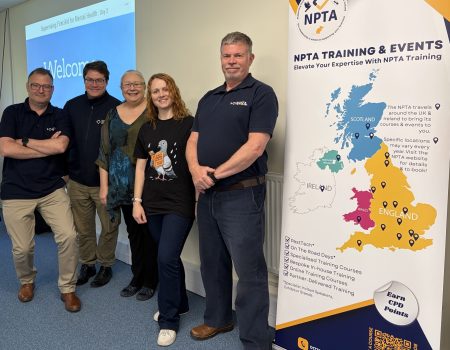
And just like any good pest management strategy starts with prevention, looking after our wellbeing should be high on the list too. That’s where running a Mental Health First Aider (MHFA) Level 3 course for some of the NPTA team and key members comes in.
I was lucky enough to have the Level 2 training and then a refresher whilst working for Pelsis.
The training gave me the confidence to know that this wasn’t about turning myself and the team into therapists or asking anyone to swap their service bag for a clipboard and a couch. MHFA training is simply about giving people the skills and confidence to recognise when someone might be struggling and to offer the right kind of support and signposting to voluntary and professional support.
I think of this as adding another useful tool to the kit, alongside the PPE. I did have conversations after the training where I felt more confident to ask, ‘How’s it going?’ and then chat in confidence if the other person wanted to.
There are some truly fantastic ways that we are supporting each other already.
Pest Minds
Anna Mollins has grown ‘Pest Minds’ to be a place where we can share stories and also make anonymous support connections.
‘Have a break, have a quick chat’ was a lovely idea for the Pestech café where supporters gave sponsorship to enable all attendees to have a free hot drink and then relax and catchup with others.
‘CALM’ has supported our industry for a number of years giving practical guidance on mental health support.
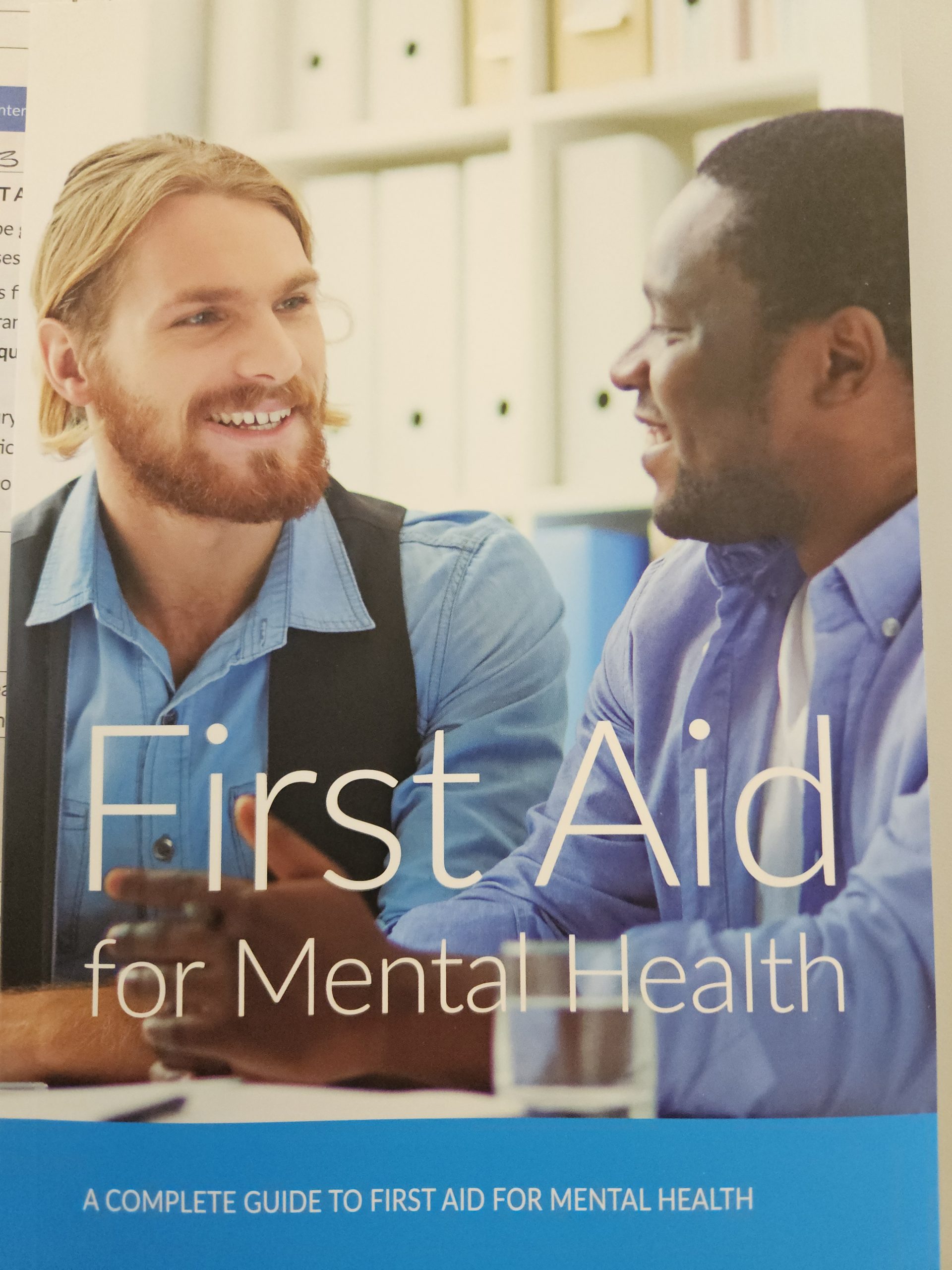
Benefits of Level 3 MHFA Course
Building on this, the Level 3 MHFA course will help us to:
- Spot the signs when stress might be building.
- Start conversations that might otherwise feel a bit awkward.
- Offer reassurance and point members, colleagues and the industry in the right direction for help
- Build confidence in handling sensitive situations
In short, it helps turn “I’m not sure what to say” into “I’m happy to chat.”
We hope that when we feel comfortable checking in with each other, it creates a culture where support is part of our everyday work life—not something saved for emergencies.
I think that talking about mental health can still feel a bit like opening a loft hatch when you’re not certain where the wasp nest is located. Training helps normalise those conversations and makes them far less daunting.
As with our customer sites, catching something early can make a big difference, often preventing things from becoming more serious.
One of the best things about the MHFA training is that it’s not heavy or clinically based. It’s built around real-life situations and sharing this, practical advice, and straight conversations. There’s also a fair bit of humour too. I think that a shared laugh is the best way to ease into more serious topics.
The NPTA has always been about raising standards and supporting our wonderful industry. Investing in mental health training is an extension of this. We are here for you in training and all support, approachable and loving a chat.