Case Study: Effective mouse control
achieved in high-risk residential block using Selontra®
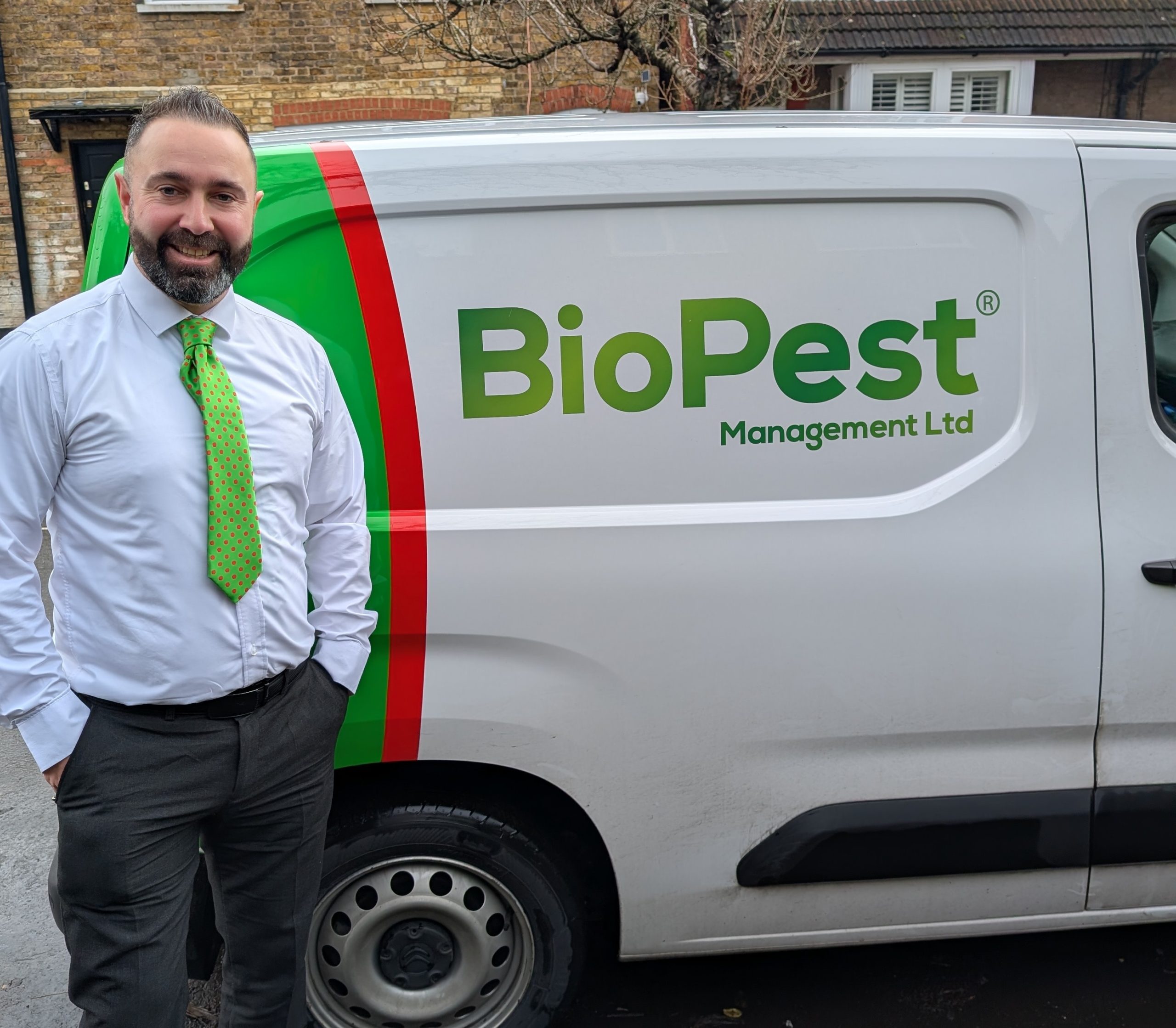
Darren McArthur, Director at BioPest®, shares his experience using Selontra® to gain control of a heavy mouse infestation in a residential building with abundant alternative food sources.
- Heavy house mouse infestation across bin stores and ceiling voids
- Significant alternative food sources reducing effectiveness of initial control measures
- 22 mice removed during treatment programme
- Bait uptake increased after initial delay, with strong uptake from week two
- Control achieved within approximately 30 days
- Site successfully transitioned to long-term monitoring programme
About the Pest Technician
Darren McArthur began his career in pest control in 2011, initially working as a sole trader before joining Prokill Pest Prevention in 2012, where he was recognised as London Technician of the Year for three consecutive years. He is now one of three Directors at the leading London firm, BioPest®. Established in 2015, the business quickly expanded beyond South London through strong word-of-mouth and a reputation for delivering effective results across rodent, insect and bird control.
A Heavy Infestation in a High-Risk Residential Environment
Darren and the team at BioPest® first used Selontra® in 2021 at a residential block in the E14 area of London, where a significant mouse infestation had developed.
Residents reported frequently seeing mice in bin stores and hearing movement within the reception ceiling voids, with the rodents beginning to impact the flats above. The bin store environment provided ideal conditions for infestation, with open bins, missing drainage bungs and readily available food sources.
Darren explained: “The mice were feeding from open bins and moving freely between the bin stores and ceiling voids. The level of activity, including droppings, smear marks and gnawed materials, indicated a heavy infestation.”
Although it was difficult to estimate total numbers, 22 dead mice were removed during the course of the treatment, highlighting the scale of the issue.
Initial control measures included non-toxic monitoring bait in metal stations and snap traps; however, captures were minimal, prompting the need for a more effective solution.
Trialling Selontra® in a Competitive Food Environment
With the presence of abundant alternative food sources making control a real challenge, Darren, had recently learned of a better solution. After attending a seminar hosted by BASF, he discovered the new rodenticide Selontra, praised for its high palatability and reduced risk to secondary poisoning, so Darren decided the cholecalciferol-active was a suitable next step.
“We had recently learned about Selontra® and its effectiveness in environments with competitive food sources, as well as the reduced secondary risk to non-target species such as residents’ pets. This made it an ideal product to trial in this situation,” said Darren.
Selontra® was deployed using metal bait stations in the bin stores and plastic mouse bait stations within the suspended ceiling voids.
Initial uptake was slow, with minimal consumption recorded between the first two visits, which were two days apart. However, by visits three to five, conducted on a weekly basis, feeding activity increased significantly, with most of the bait being consumed.
Throughout this period, dead mice were recovered from key harbourage points, including ceiling voids, bin store floors and within bait stations.
Gradual Knockdown and Long-Term Control
By the fifth visit, approximately 30 days into the programme, control had largely been achieved, with feeding levels significantly reduced. By the sixth visit, bait uptake had almost ceased entirely, and customer sightings/complaints had stopped, indicating rodent activity had been brought under control.
Darren noted: “Once feeding increased, Selontra’s stop-feed effect came into play, and the results were very clear. We started finding dead mice in multiple locations, and activity reduced quickly after that.”
A total of six visits were required to bring the infestation under control, followed by proofing works to prevent further ingress into the building.
Due to the high-risk nature of the bin store area, a permanent baiting strategy was implemented, with monthly visits to manage any new activity. Two years on, the site was successfully transitioned back to a non-toxic monitoring programme, with no further infestations reported.
Reflecting on the rodenticide, Darren commented: “Selontra® has become a key product for us. It is highly palatable, which is essential for urban and residential areas, stays fresh for longer, and performs well even in challenging environments.”
To find out more about Selontra®, or to browse the full range of pest control products, visit the BASF Pest Control Solutions website: https://www.pestcontrol.basf.co.uk/en/Products/Overview/Rodenticides/