LinkedInYouTube

Rats – Identification, Signs and Professional Control 


Rats in the UK

Rats are one of the most common pest problems encountered throughout the UK. They can be found in homes, businesses, food premises, farms, gardens, drains and commercial properties.

The most common species encountered is the Brown Rat (Rattus norvegicus), although Black Rats (Rattus rattus) are occasionally found in ports and coastal areas.

Rats are highly adaptable animals and can quickly establish themselves where food, water and shelter are available.

Seen Signs of Rats?

  • Rat droppings
  • Scratching noises in lofts or walls
  • Burrows in gardens
  • Damage to food packaging
  • Sightings around your property

Find a qualified local rat control specialist through the NPTA.

How to Identify Rats

Appearance

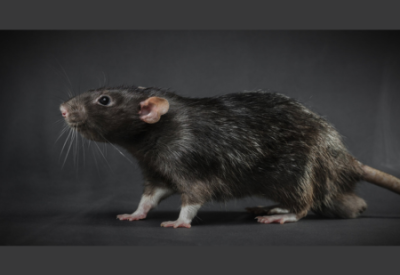
Adult brown rats typically:

  • Measure 20-30cm in body length
  • Have coarse brown-grey fur
  • Possess a thick hairless tail
  • Have relatively small ears
  • Weigh between 200g and 500g


Rat Droppings

One of the most common signs of rat activity is the presence of droppings.

Rat droppings are typically:

  • Dark brown or black
  • Capsule-shaped
  • 10-20mm long
  • Larger than mouse droppings

Fresh droppings appear shiny and moist, whilst older droppings become dry and crumbly.

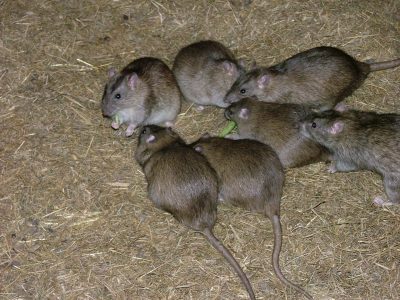
Rats feeding in a barn
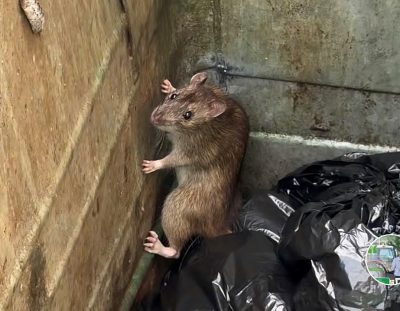
Rat in a bin

Signs You May Have Rats

Many people never actually see a rat.

Instead, they notice signs of activity such as:

Rat Droppings

Found near:

  • Food sources
  • Cupboards
  • Lofts
  • Garages
  • Bin storage areas

Gnaw Marks

Rats continually gnaw to keep their teeth trimmed and may damage:

  • Wood
  • Plastic
  • Pipework
  • Electrical cables

Scratching Noises

Rats are often heard:

  • In lofts
  • In wall cavities
  • Beneath floorboards

Noises are commonly noticed during the evening or overnight.

Burrows

Rat burrows are commonly found:

  • Beneath sheds
  • Along fence lines
  • Under decking
  • Around compost heaps

Rats in Lofts

Lofts provide warmth, shelter and nesting opportunities.

Common indicators include:

  • Scratching noises at night
  • Insulation disturbance
  • Droppings
  • Nesting materials

If left untreated, rats may cause significant damage to insulation, wiring and stored belongings.

Smear Marks

Greasy dark marks can develop along walls and surfaces used regularly by rats.

Are Rats Dangerous?

Rats can pose a variety of health and property risks.

Potential concerns include:

  • Food contamination
  • Damage to buildings
  • Damage to electrical cables
  • Contamination of stored products
  • Transmission of bacteria and diseases

For this reason, rat activity should be investigated promptly.

Detailed rat picture

How to Prevent Rats

Simple preventative measures include:

Remove Food Sources

  • Store food securely
  • Use secure refuse containers
  • Clear fallen fruit
  • Clean up bird feeding areas

Reduce Harbourage

  • Keep vegetation maintained
  • Remove clutter
  • Store materials off the ground

Exclude Entry Points

  • Seal gaps around pipes
  • Fit drain protection where appropriate
  • Repair damaged vents and air bricks

When Should You Contact a Pest Controller?

Professional assistance should be considered if:

  • Rats are repeatedly sighted
  • Droppings continue to appear
  • Burrows are discovered
  • Scratching noises persist
  • DIY measures have failed

A qualified pest controller can identify the source of the infestation and recommend an appropriate treatment strategy.


Rat Control Near Me

If you have seen rat droppings, heard scratching noises in your loft, discovered rat burrows in your garden, or spotted rats around your property, professional advice may be required.

The NPTA Find a Pest Controller service helps connect homeowners and businesses with qualified pest control professionals across the UK.

Whether you are dealing with:

  • Rats in your loft
  • Rats in wall cavities
  • Rats in drains
  • Rats in gardens
  • Commercial rat infestations
  • Ongoing rat activity despite DIY treatments


An NPTA member can assess the problem and recommend appropriate control measures.

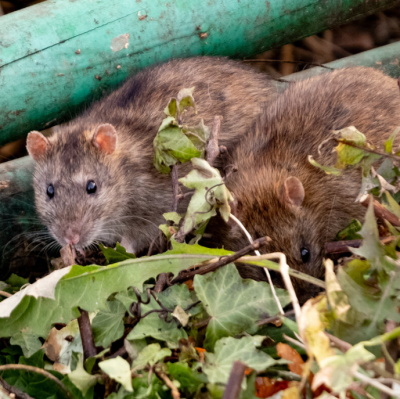
Rats in a Garden

Frequently Asked Questions

1. How do I know if I have rats?

Common signs include droppings, scratching noises, gnaw marks, strong odours and visible burrows.

2. Are rats dangerous?

Yes. Rats can spread diseases, contaminate food and create fire hazards through cable damage.

3. Why do rats keep returning?

Rats will continue returning where food, water and shelter remain available. Effective proofing and prevention are essential.

4. Can I remove rats myself?

Small issues may sometimes be controlled with traps, but established infestations often require professional pest control support.

5. Where do rats nest?

Rats commonly nest in lofts, wall cavities, drains, gardens, compost areas and beneath structures.

6. What do rat droppings look like?

Rat droppings are dark, capsule-shaped and typically 10-20mm in length.

7. Can rats climb walls?

Rats are excellent climbers and are capable of accessing roofs, lofts and upper floors using pipes, vegetation and building features.

8. What attracts rats?

Food, water and shelter are the primary attractants. Bird feeders, bins, pet food and overgrown gardens can all encourage rat activity.

9. Are rats active during the day?

Rats are primarily active during the evening and overnight, although daytime sightings can occur where populations are large.

10. Do rats return after treatment?

If food sources and access points remain available, new rats may re-enter an area. Long-term prevention is therefore an important part of any control programme.

Need Professional Help?

If you suspect rat activity at your property, use the NPTA Find a Pest Controller service to locate a qualified pest professional in your area.