The Importance of Minimising Rodenticide Use:
Focusing on Proofing and Prevention
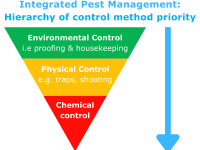
As winter recedes, rodent control will remain a pressing concern. In the pest control industry, minimising rodenticide use isn’t just responsible – it’s essential. Integrated Pest Management (IPM) prioritises sustainable, long-term solutions by targeting the root causes of infestations. Environmental management – preventing pest access through proofing and practicing good housekeeping – is a key component of IPM. By focusing on environmental management, pest controllers can significantly reduce rodenticide use, aligning with both regulatory guidelines and environmentally friendly practices.
Here’s why environmental controls are essential for responsible and effective rodent management.
1. Reducing Environmental Impact and Protecting Wildlife
Rodenticides, especially anticoagulants, pose risks to non-target wildlife, such as birds of prey and small mammals, due to secondary poisoning. By focusing on proofing and reducing rodenticide use, we help protect biodiversity and lessen the environmental impact of pest control.
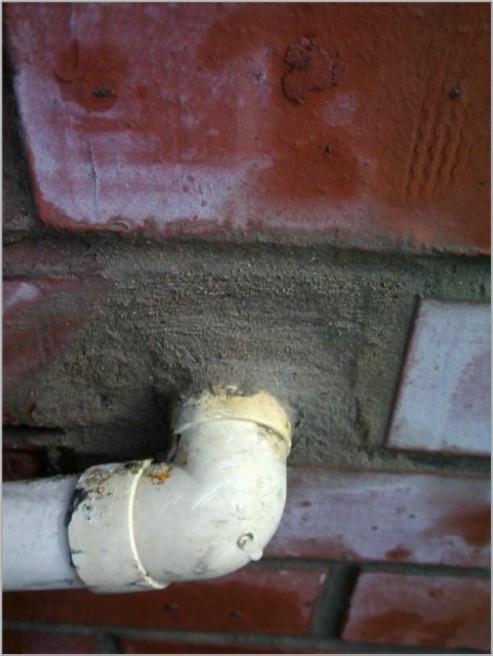
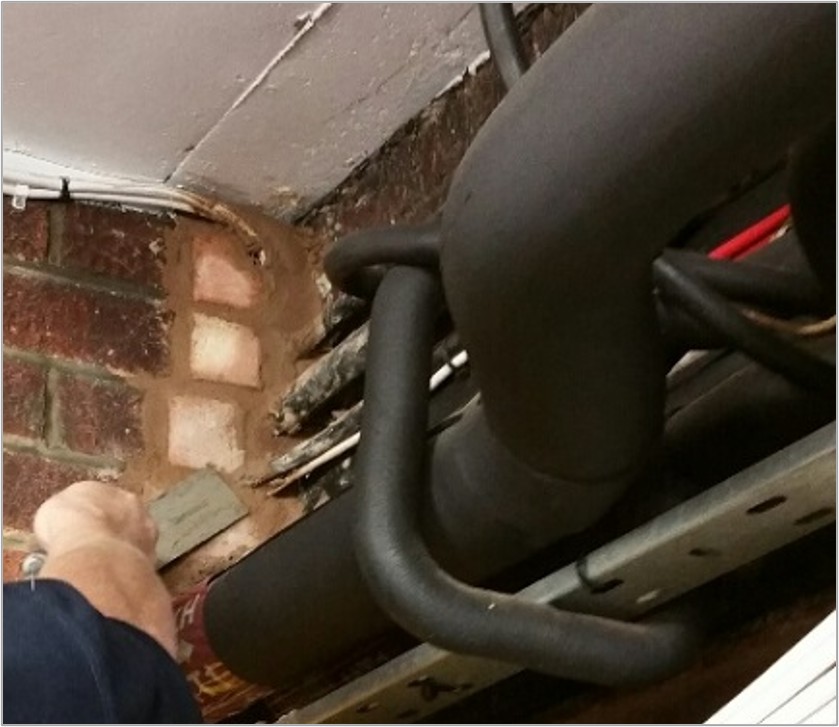
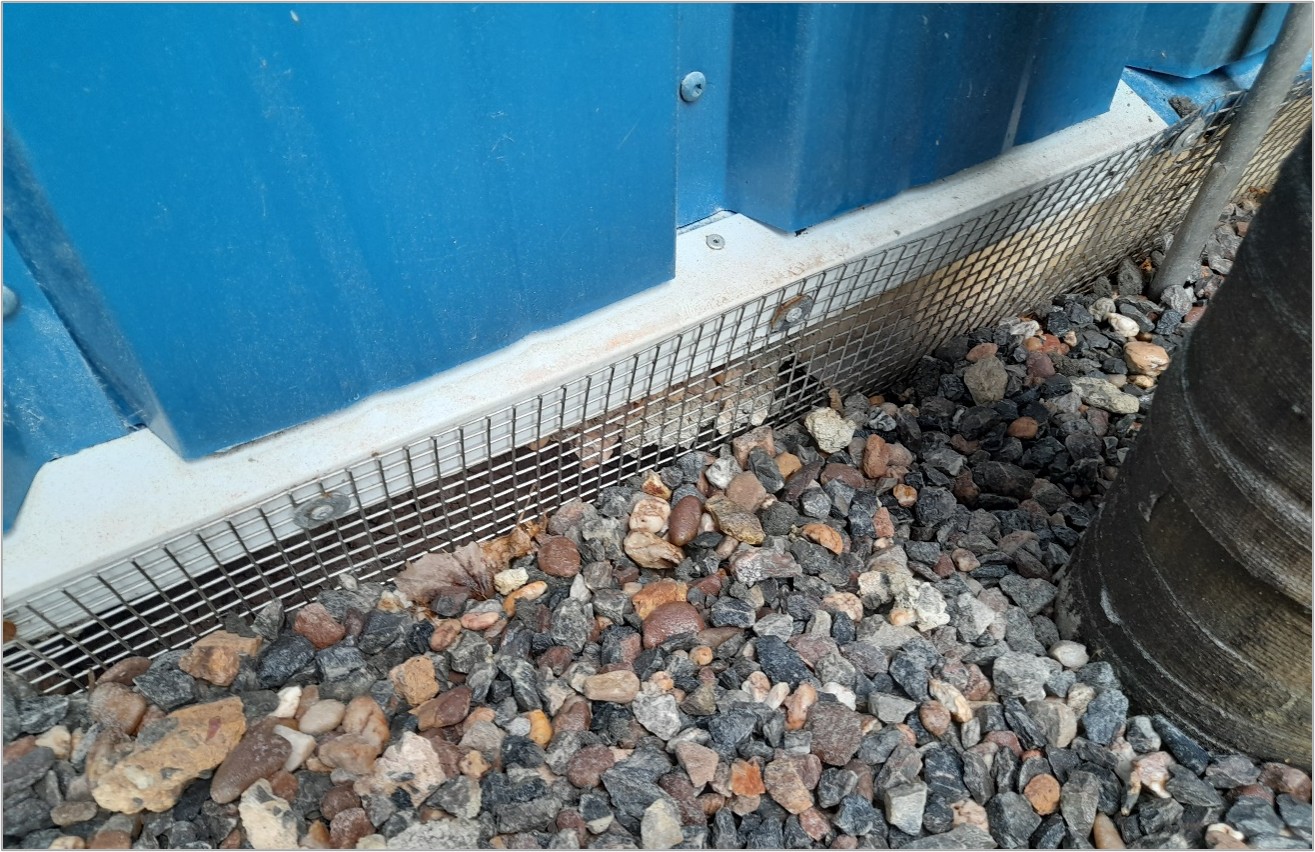
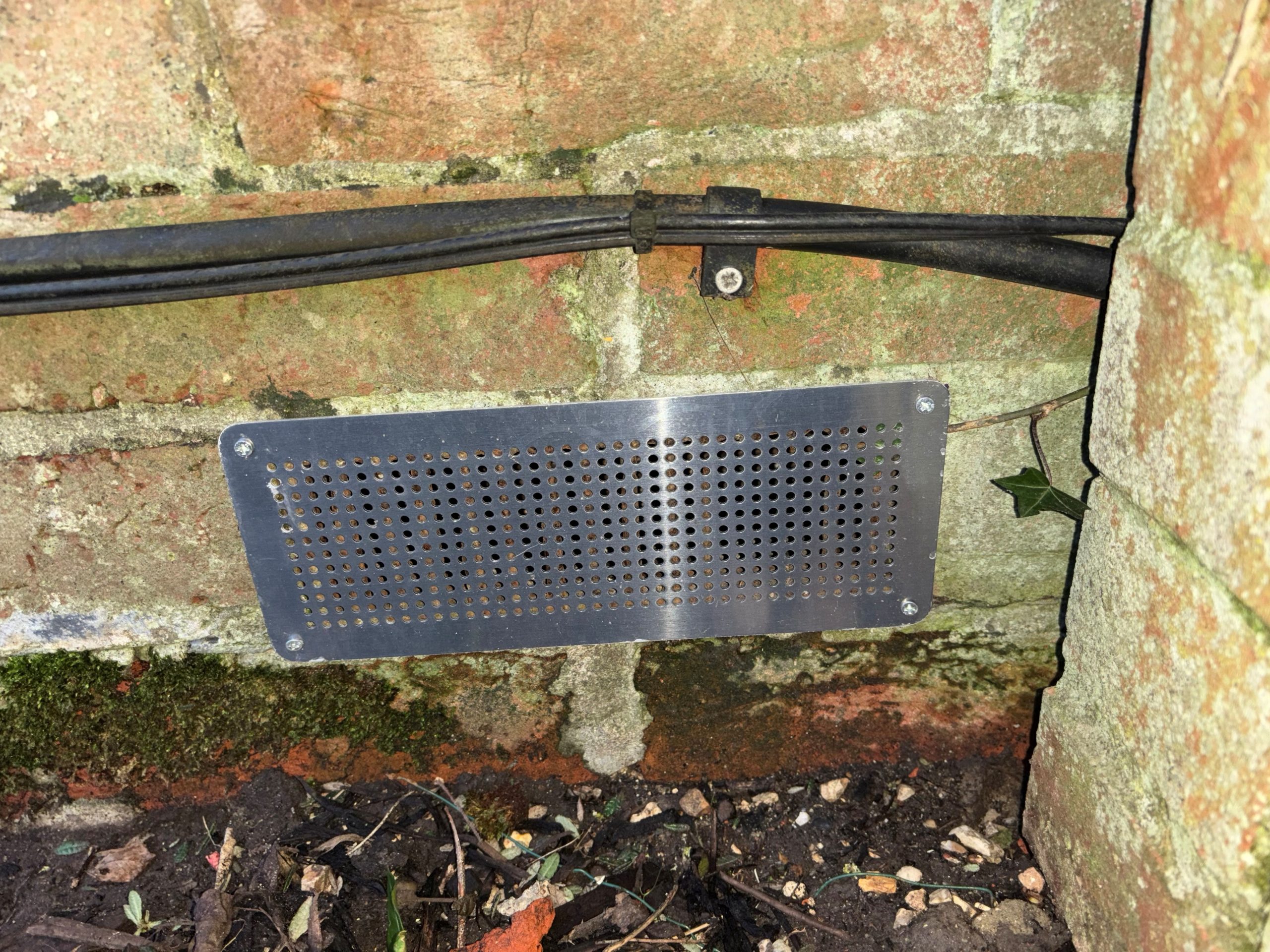
Environmental measures, such as sealing entry points, installing barriers, and managing food and water sources, create long-term solutions to prevent rodents from entering a property. These methods enable pest controllers to use rodenticides sparingly, reducing the risk of harm to other wildlife.
2. Complying with Growing Regulatory Requirements
With new restrictions on rodenticide use from regulatory bodies like the Health & Safety Executive under the guidance of the Campaign for Responsible Rodenticide Use (CRRU), and further changes expected in 2026, pest controllers are encouraged to adopt alternative, non-chemical methods. Proofing is a proactive approach that supports compliance with these evolving regulations, ensuring pest control operations remain safe and sustainable.
Implementing proofing strategies also aligns with the guidelines set out by CRRU, which emphasises the importance of IPM methods and reducing rodenticide use wherever possible.
3. Long-Term Cost Savings for Clients
Environmental controls are often a better investment for clients, offering a long-term solution that can reduce the need for recurring pest control treatments. By installing durable barriers, maintaining property integrity, and ensuring proper waste management, clients can avoid future infestations and the associated costs of regular rodenticide treatments.
Educating clients on the benefits of proofing also helps build trust, showing your commitment to responsible and effective pest control – qualities that enhance client satisfaction and loyalty.
4. Enhancing Public Health & Safety
While rodenticides are effective, they come with risks, particularly in sensitive environments like schools, hospitals, and food service areas. Minimising rodenticide use in these settings is crucial for public health.
Enviromental controls are an excellent alternative, reducing rodent activity without introducing toxic substances in high-risk areas.
Physical barriers, regular maintenance, and proper sanitation are effective deterrents that help maintain safe, healthy spaces for everyone.
5. Proofing as the Foundation of Effective IPM
Proofing and good housekeeping align perfectly with IPM’s prevention-first approach, addressing the root causes of pest issues rather than just treating symptoms. The IPM model encourages pest controllers to exhaust non-chemical methods before considering rodenticides, making proofing the foundation of responsible rodent control.
Some effective environmental control methods include:
Sealing Entry Points: Close off gaps around doors, windows, vents, cables, pipes and under cladding to prevent rodent entry.
Installing Physical Barriers: Add barriers to drains, vents, and crawl spaces to block potential entry points.
Housekeeping: Reduce food and water sources, secure rubbish bins, clear up debris and keep vegetation tidy – simple but effective measures to deter rodents.
Routine Inspections: Regularly inspect properties to detect vulnerabilities early and ensure prevention measures remain effective.
Towards Sustainable Rodent Control
As pest controllers, reducing reliance on chemical controls is our responsibility. By focusing on proofing and prevention, we not only comply with best practices but also support a healthier environment and safer communities.
Let’s make IPM and proofing the standard for rodent control, moving towards a more sustainable, responsible industry.